PROJECT
PROJECT


Insights
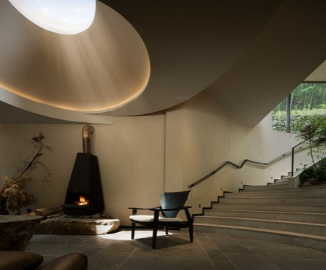
"Biophilia" translates from ancient Greek as "love of life". The term may appear relatively new, having emerged as a trend in architecture and interior design, but the concept was first advanced by the psychologist Erich Fromm in 1964 and later brought to a wide audience in the 1980s by the biologist Edward O. Wilson, who studied the disconnection from nature that urban life produces.
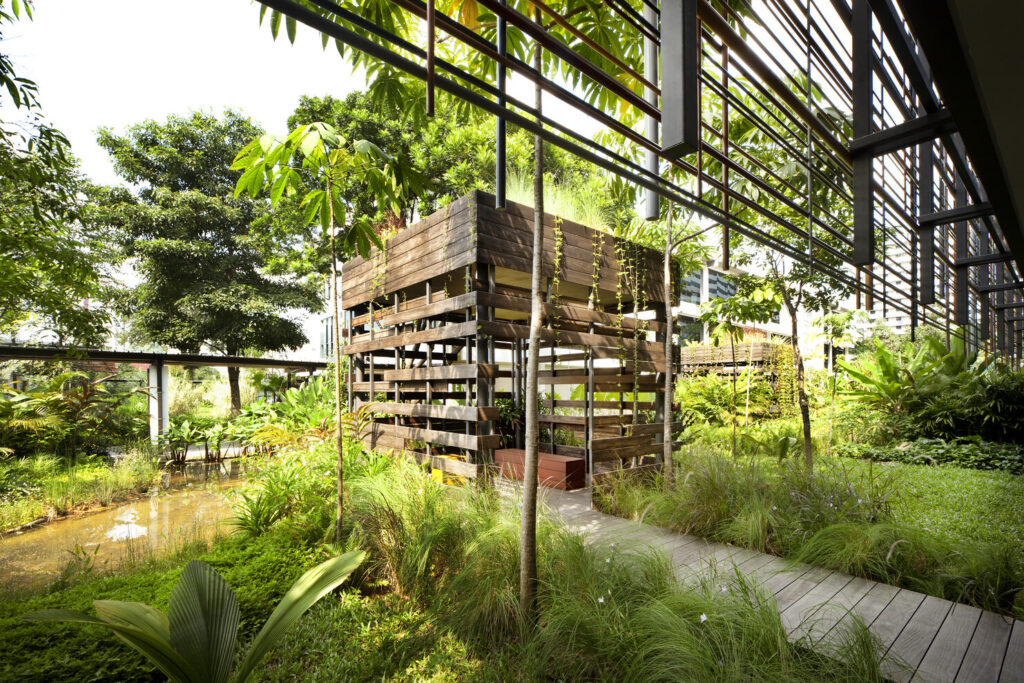
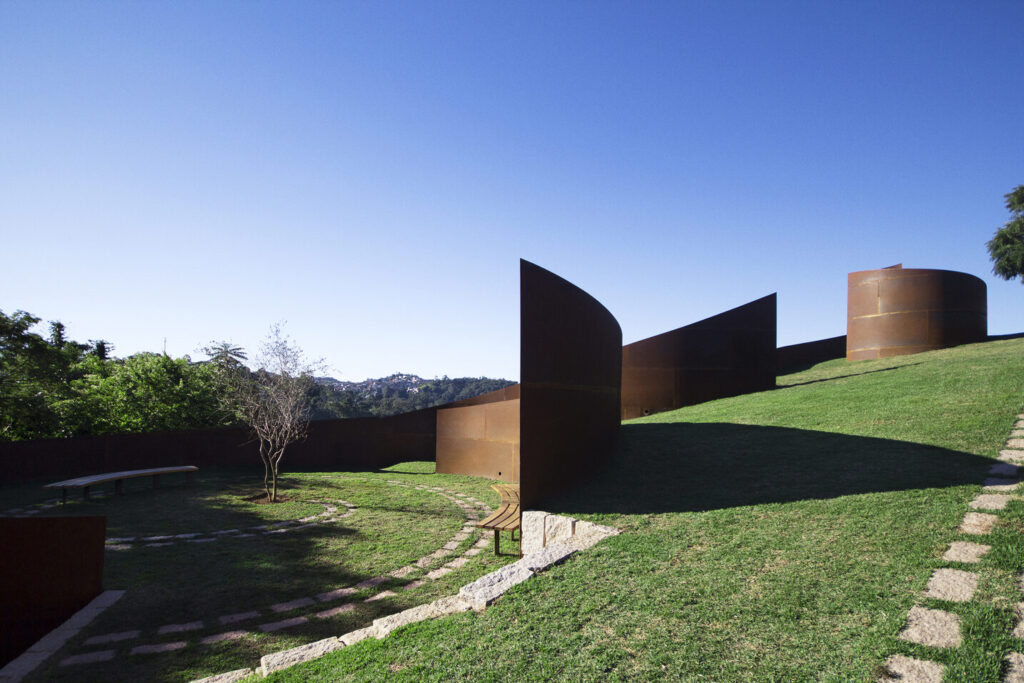

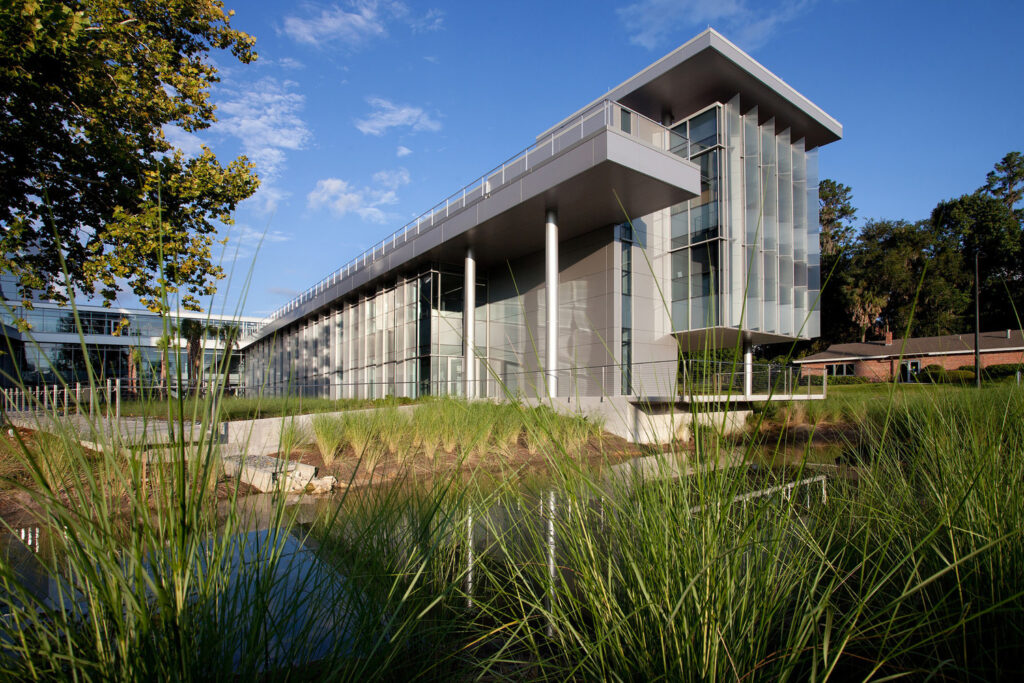
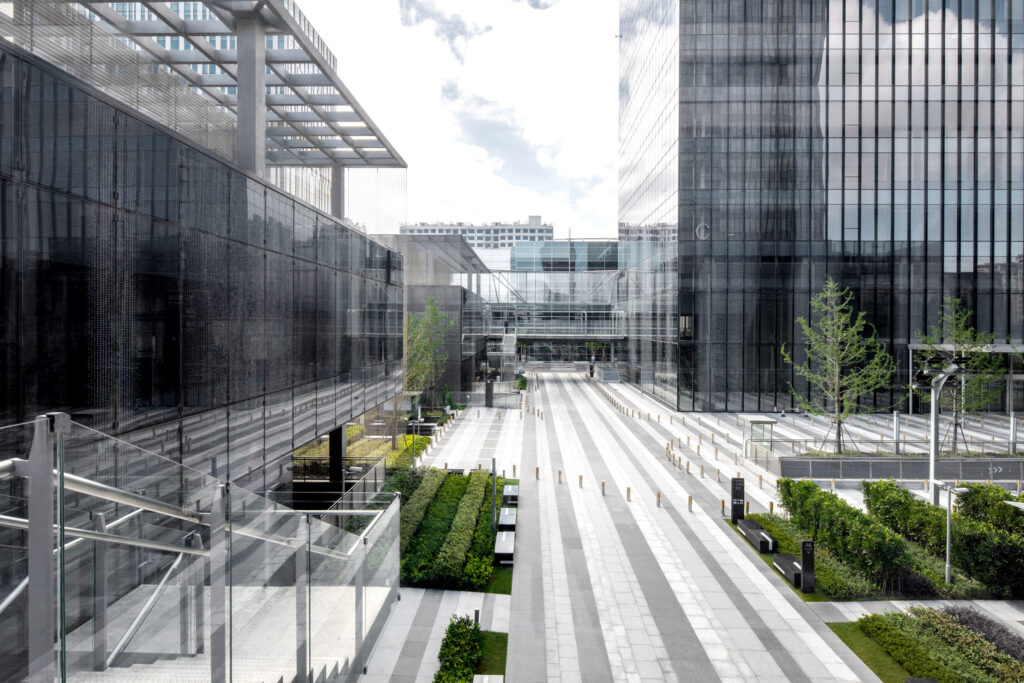
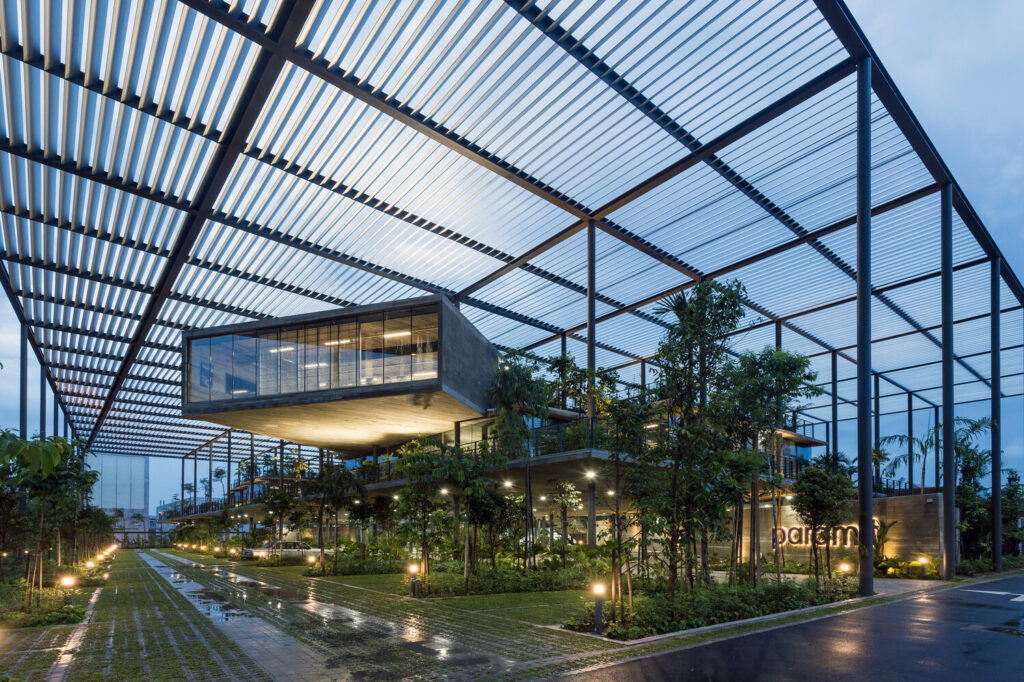
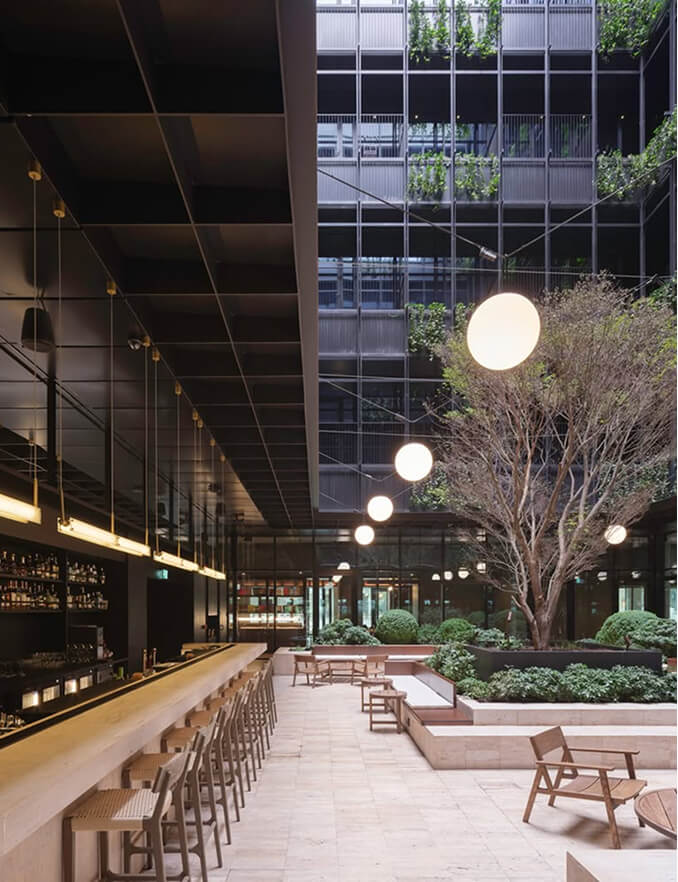
The guiding principle is straightforward: connect people with nature in order to improve wellbeing and quality of life. How can architecture achieve that? By seeking alternative ways of integrating nature, whether through natural elements or through technical ones, into the design proposals. The most common approach is to incorporate natural features into the built environment, with water, vegetation, sunlight and natural materials all used regularly.
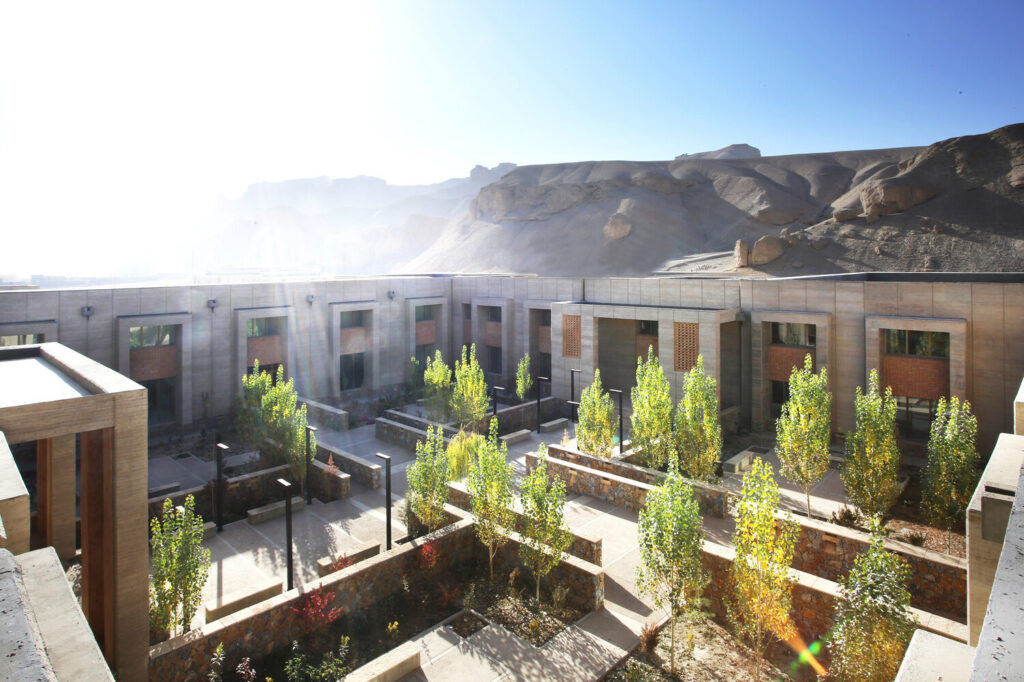
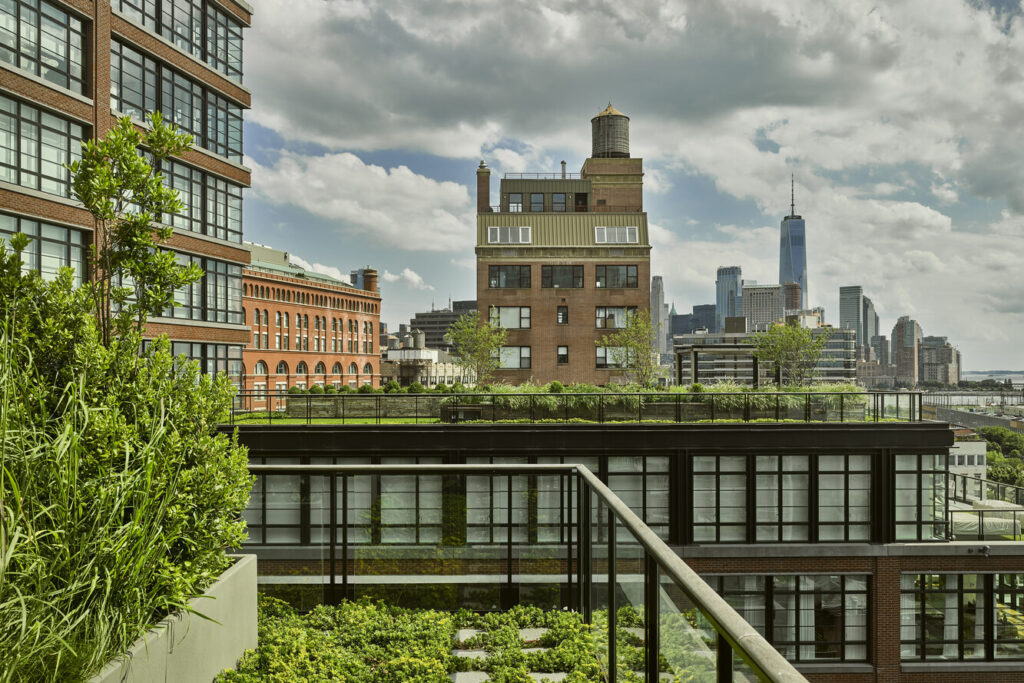

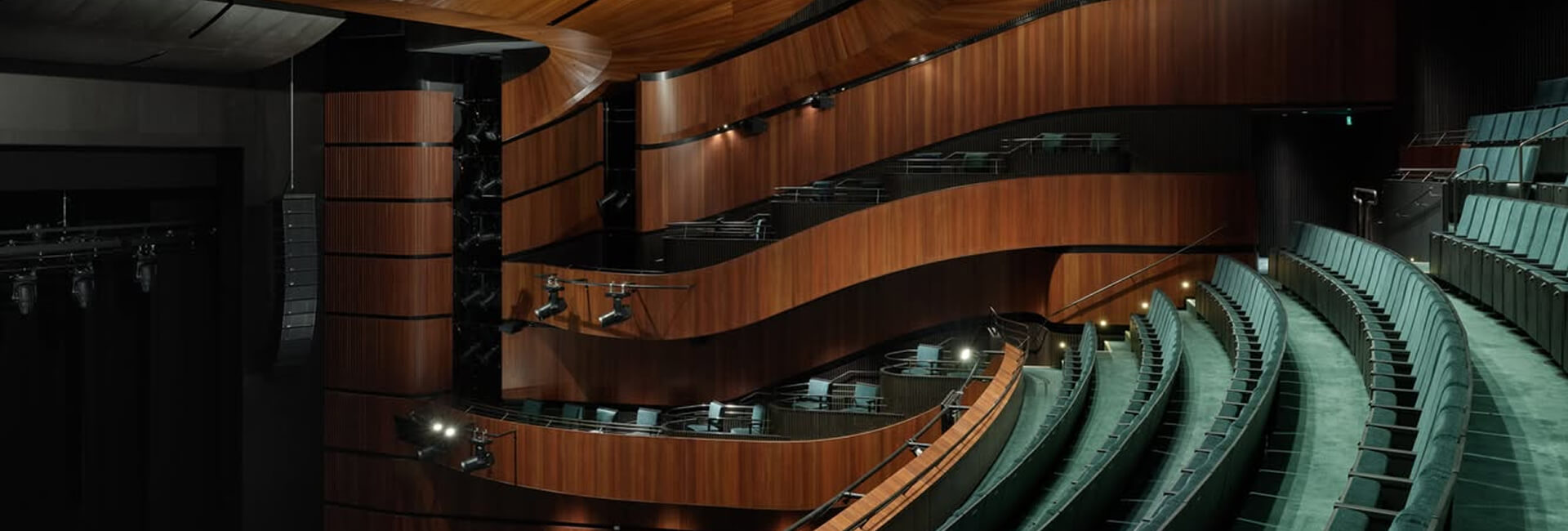
Another characteristic feature of biophilic projects is the use of organic forms in place of straight lines, although the connection with nature need not be formal. It can equally be a process of imitating nature's own distinctive strategies.