PROJECT
PROJECT







Insights
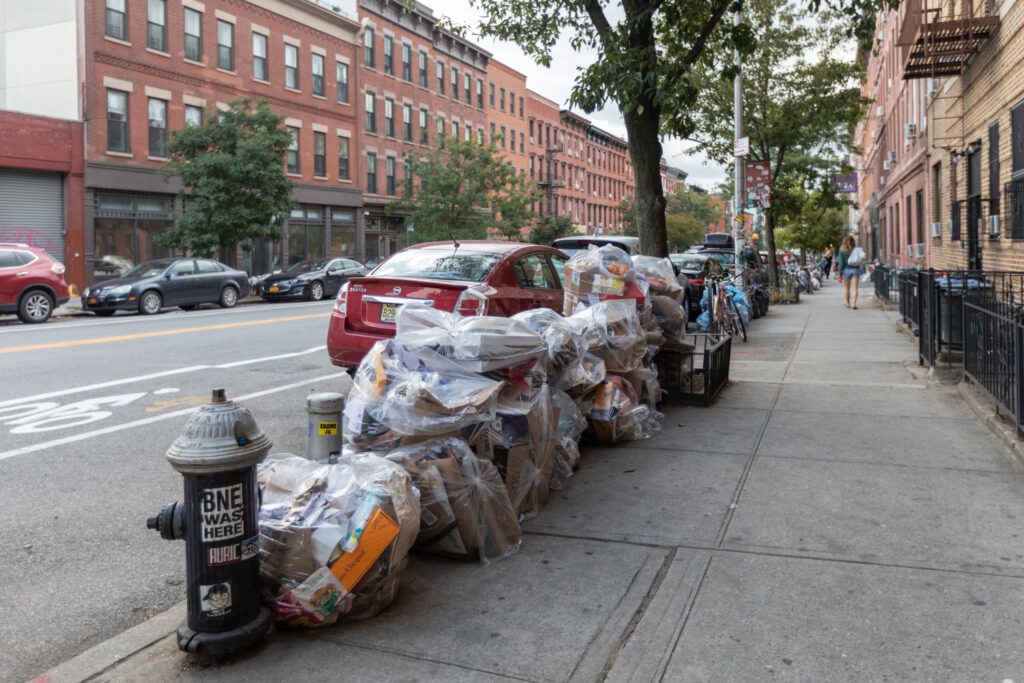
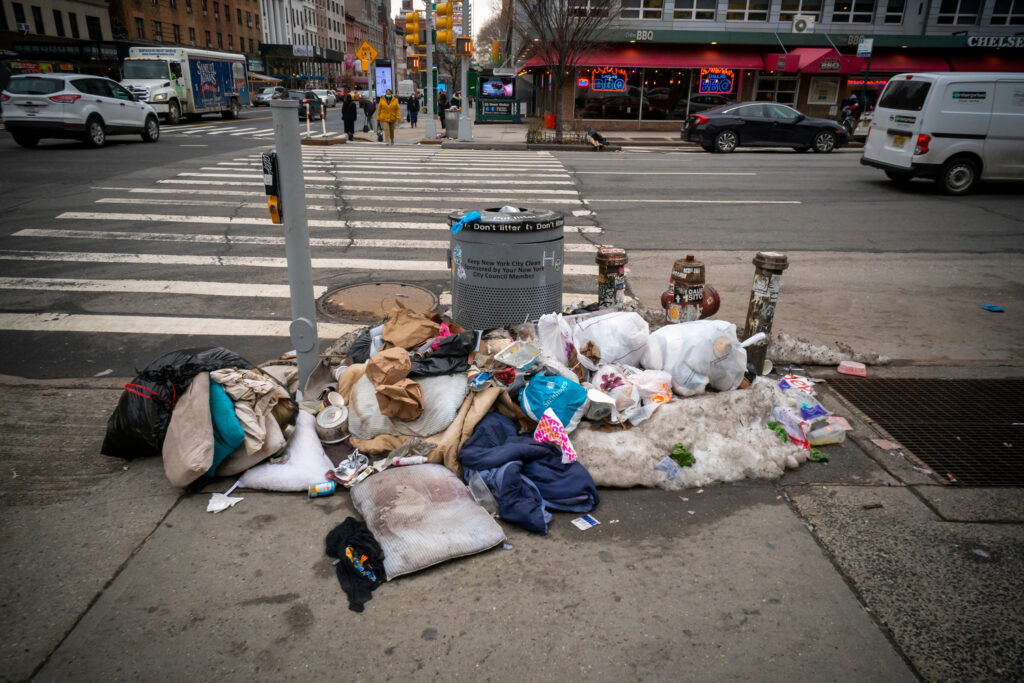
The scene is much the same whichever borough of New York City you happen to be in. Narrow pavements are lined with refuse sacks and bulky items, waiting their turn to be taken away by sanitation crews and trucks. Large rodents shelter in these temporary plastic houses and feed on the discarded scraps, a sight New Yorkers have grown used to. The city that never sleeps has a problem larger than its flashing lights and noisy streets, and that is all the rubbish left out on the pavement.
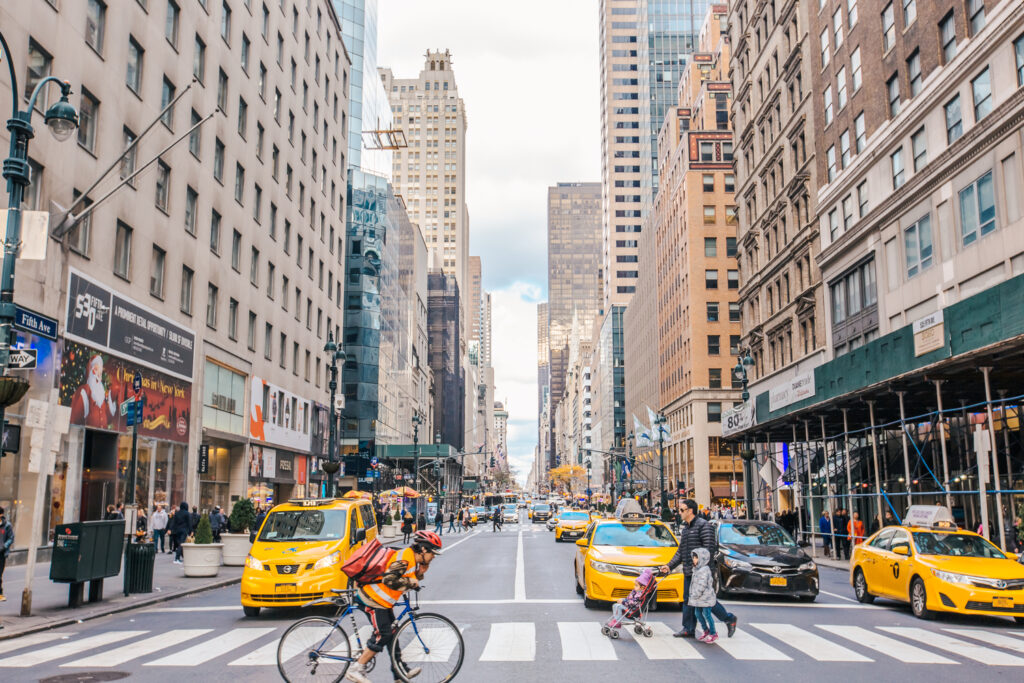
In a city of more than 8.5 million people, clearing rubbish from the pavements has become a problem on which everyone agrees. How did New York reach this point? Urban designers, politicians and city workers all accept that the way New York City generates, sorts, transports and recycles its waste, more than 12,000 tonnes a day, has become outdated and inefficient.
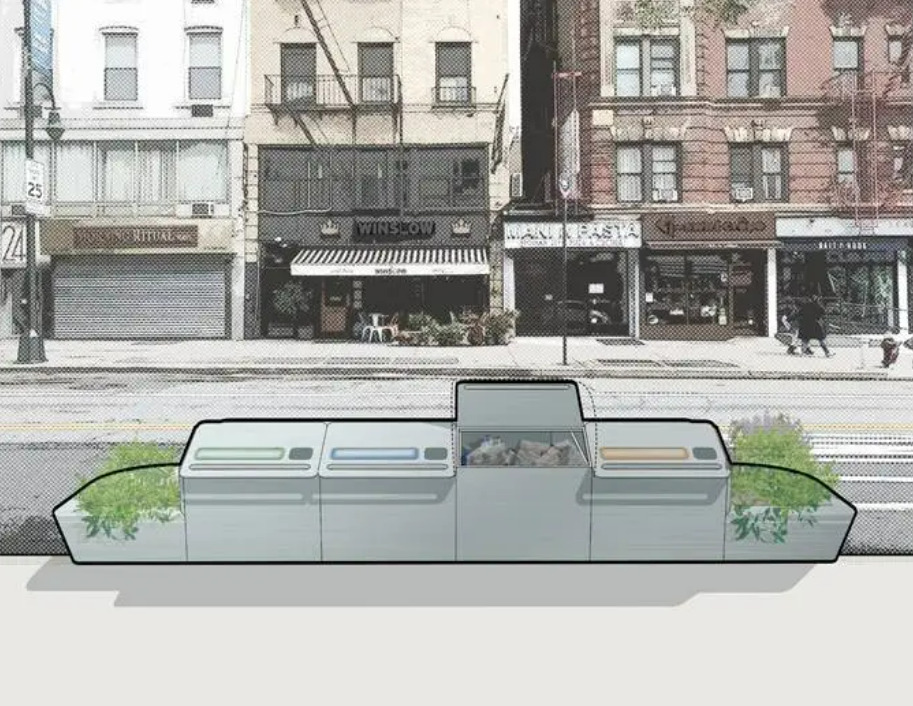
Elsewhere in the world, including major cities in France, South Korea and the Netherlands, street-level bins and sorting containers keep public space clean and make collection more efficient. Paris, whose population density resembles that of Manhattan, moved quickly to place large containers for recyclable items on the street. After piloting 40 units, the city judged the programme a success and went on to order several thousand more for roll-out across the city, in order to produce a more meaningful effect. New York City needs comparable action at scale.
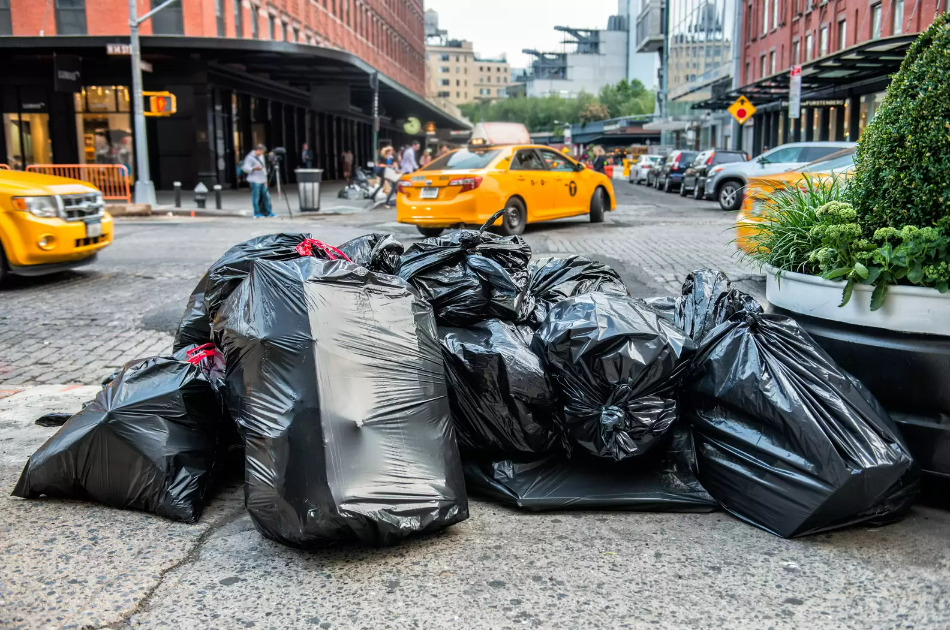
Not every aspect has failed, however, since several communities and neighbourhoods have succeeded in how they handle waste. New York City's Roosevelt Island has used pneumatic tubes and compactors to store and transport waste for the past 50 years. The small neighbourhood of Battery Park City in lower Manhattan, overseen by a state agency, also uses compactors to keep its streets free of rubbish.
More than two years after it was announced, the "Clean Curbs" initiative is now being implemented, with small-scale pilot programmes rolled out across the city, beginning with one of its busiest commercial districts, Times Square. Only earlier this week the city announced that it would go a step further and introduce a new policy restricting the hours during which rubbish may be put out at night, in an effort to reduce the volume on the streets. At present refuse can be set out as early as 4pm, but the new policy proposes that no rubbish be put out until 8pm, after most people have returned from work. Those with access to sealed containers may put their waste out at 6pm. The policy follows a rise in complaints about street rubbish to nearly 18,000, up from 13,000, in the first six months of 2022.