Start your project with ARDOR
PROJECT
PROJECT

 VIEW ON PROJECT MAP
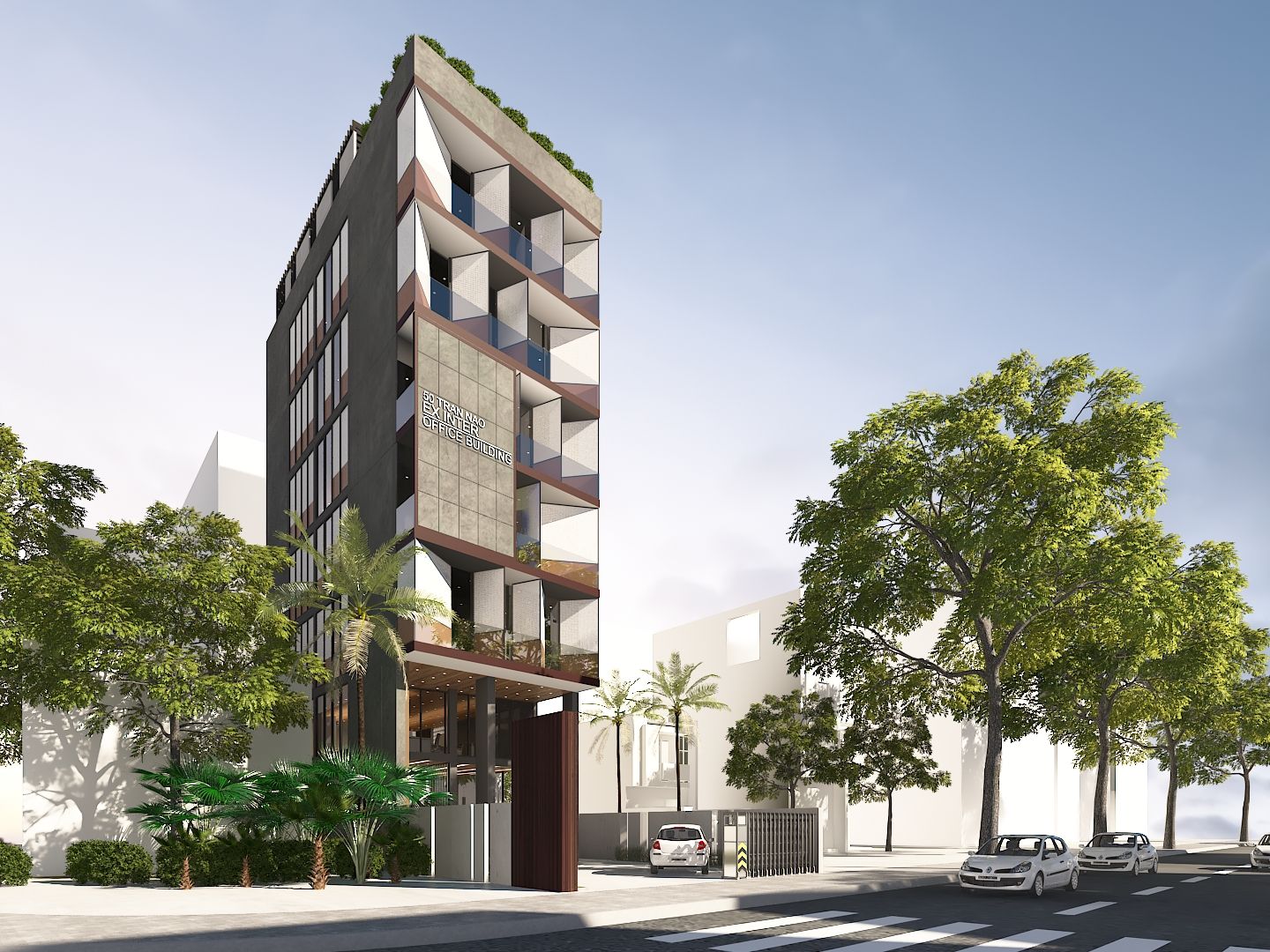
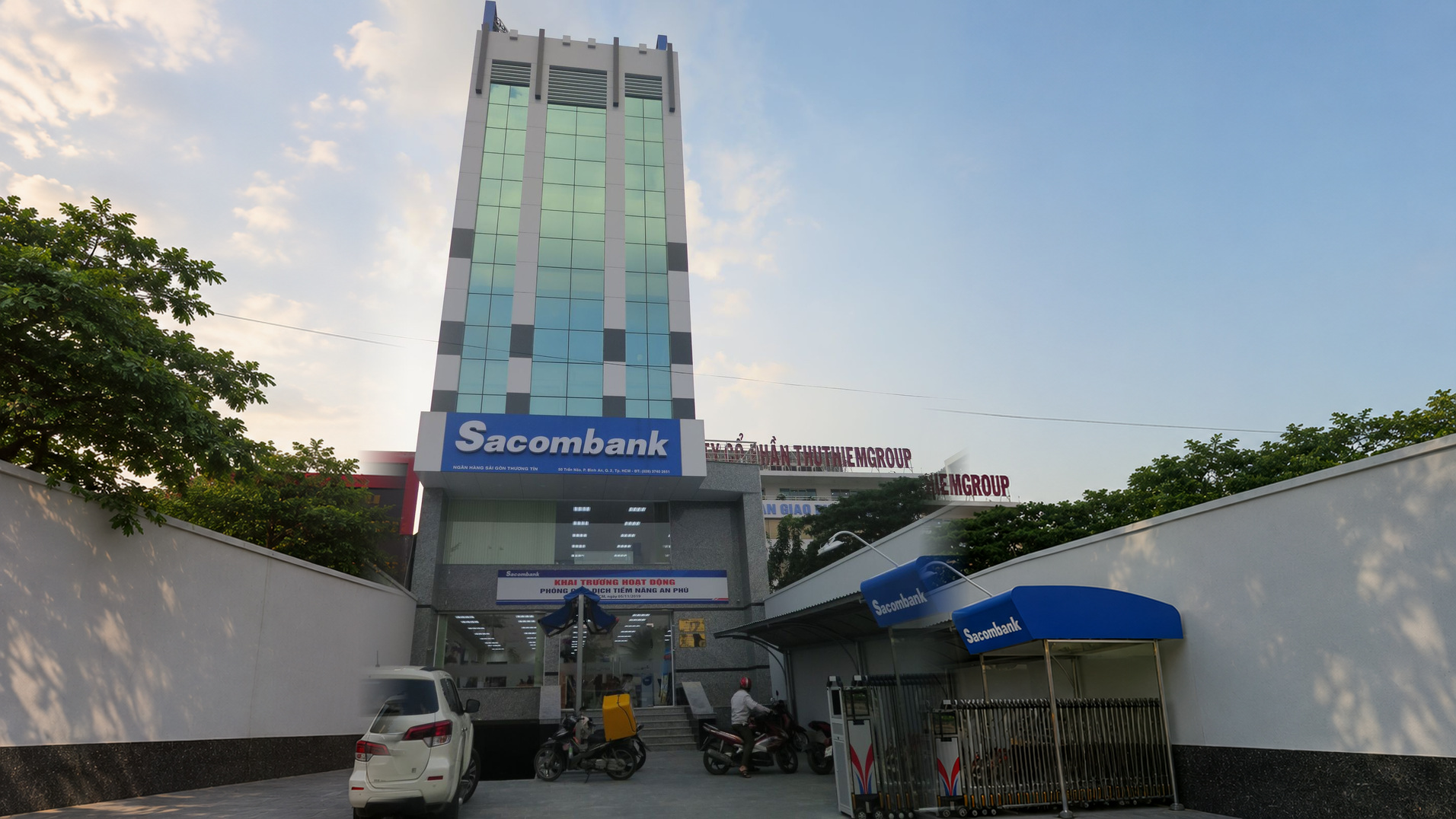
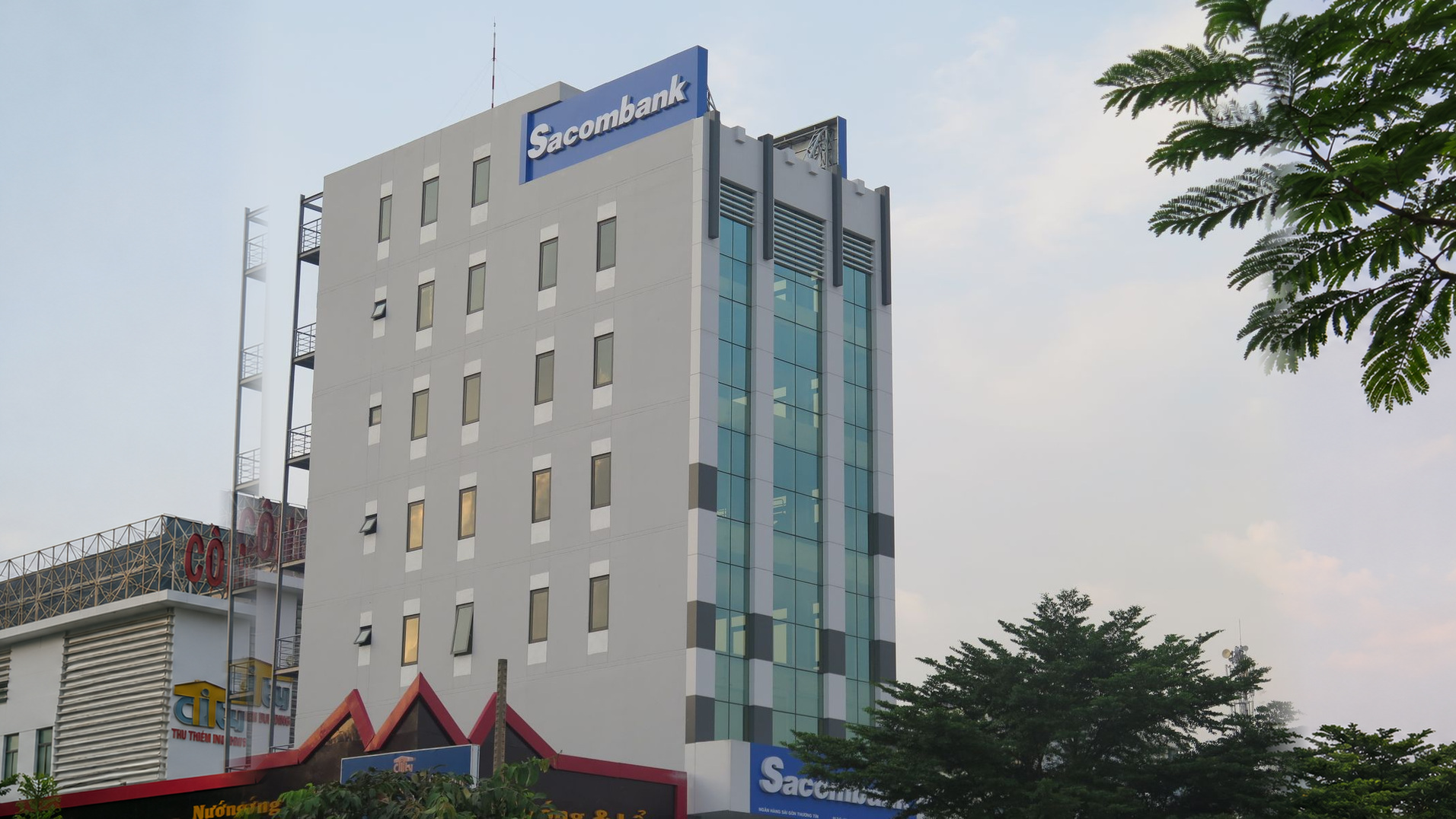
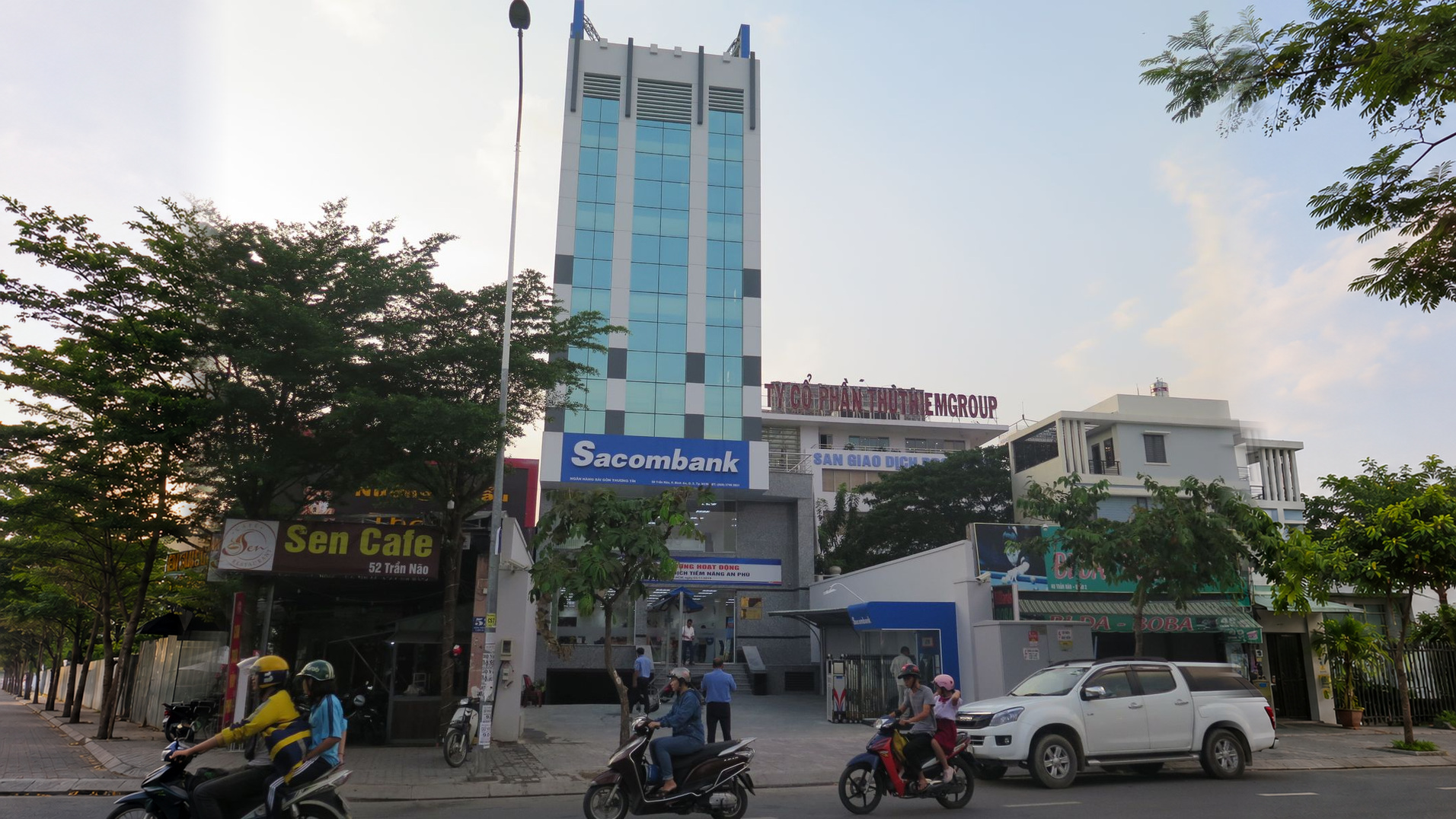
The workplace should be more than just a setting for professional activities. It should become a welcoming and inspiring environment that fosters creativity, enhances well-being and creates a sense of connection and belonging.
Alongside advancements in technology, building materials and architectural solutions, greater emphasis is being placed on creating high-quality working environments. The harmonious integration of aesthetics, functionality and natural elements not only preserves the professional character of office spaces but also enhances the overall user experience.
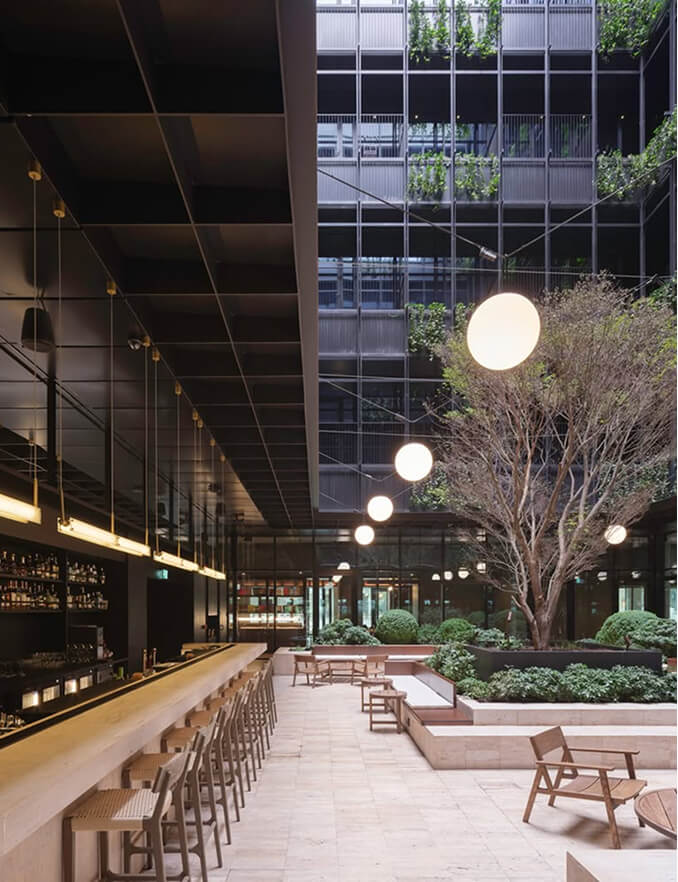
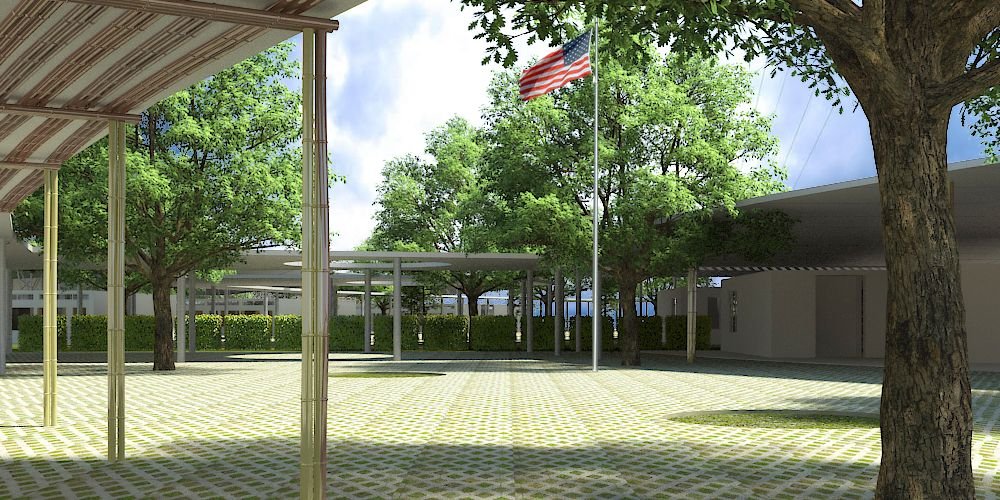
In particular, incorporating greenery into the workplace through thoughtfully designed locations and landscape features establishes a natural balance between architecture and the environment. These green elements serve not only as visual focal points but also contribute to improving the quality of the working environment, promoting physical and mental well-being, and inspiring creativity.
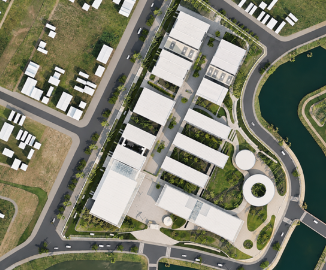
Architecturally, contemporary office buildings are typically characterized by a minimalist design language, expressed through both functional space planning and architectural form. The building massing often adopts clear, geometric forms, with efficiently organized core areas and open-plan spaces that maximize flexibility in office layout, space allocation and operational use.
At the same time, the indoor working environment is designed as a climate-controlled space, incorporating air-conditioning systems and building envelope solutions to mitigate adverse external conditions such as temperature fluctuations, noise and solar radiation.
Against this backdrop, integrating nature into the architectural design becomes a key design approach, creating a balance between enclosed, climate-controlled workspaces and green environments. The ultimate goal is to establish a modern, comfortable and dynamic workplace that promotes creativity, enhances well-being and embraces sustainable development.