PROJECT
PROJECT

Insights
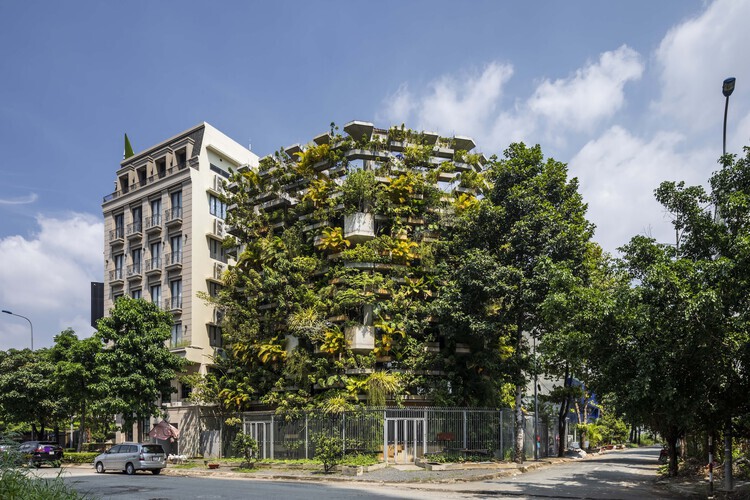
Cities are complex ecosystems made up of natural systems and urban infrastructure. Environmental degradation has drawn further attention to the damage infrastructure systems do to nature. A new economy is emerging in which the symbiotic value between city and nature, and the stewardship of the environment, are held in high regard. Designing a circular economy requires that the human habitat be considered not as a town or a city, but as a bioregion.
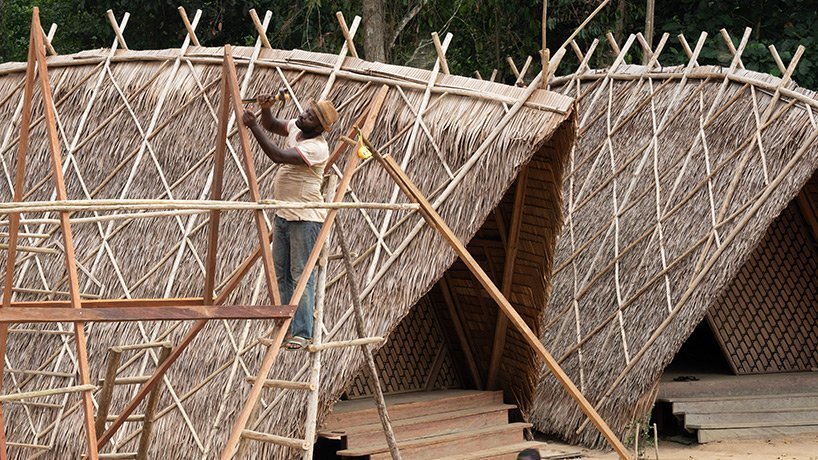
In the urban environment, the circular economy model encourages reusable architectural and construction elements, alongside renewable energy sources and sustainable buildings. Circular architecture must be well integrated into its surroundings and in harmony with nature. Designers need to study the position and the context of the site in order to establish how a new building can contribute to the existing ecosystem. What is essential is an understanding of the site's bioregion, an area defined by the characteristics of the natural environment rather than by artificial divisions.
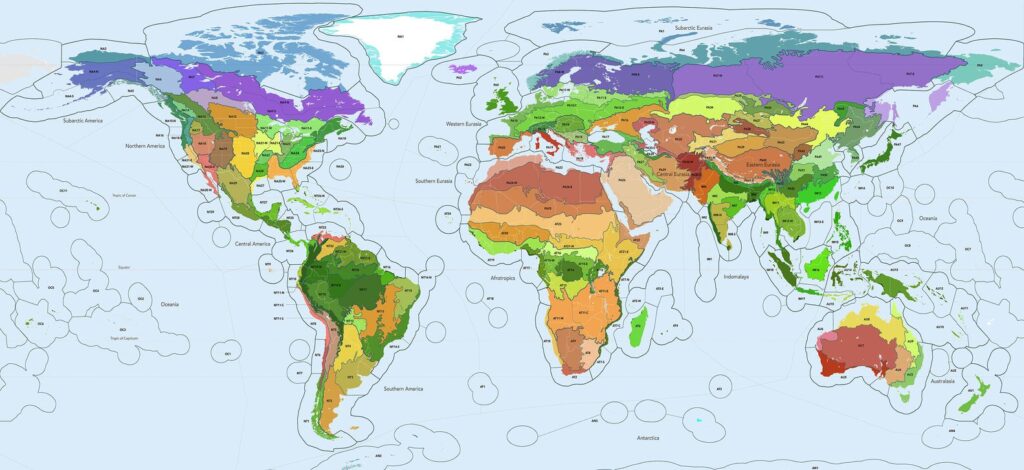
If a map of the world were drawn to show its varied ecosystems and landforms, the diversity of value between ecological regions would become visible. A bioregion is defined by the distinctive natural characteristics occurring within its geographical area, among them climate, topography, river basins, soils, native flora and fauna, and other features. The Earth is home to more than 800 ecoregions. Each carries different requirements for supporting life in an environmentally sound way. Buildings should be designed in harmony with the cyclical functions of their bioregion, sharing energy and resources and, at the end of their life, decomposing healthily within the region.
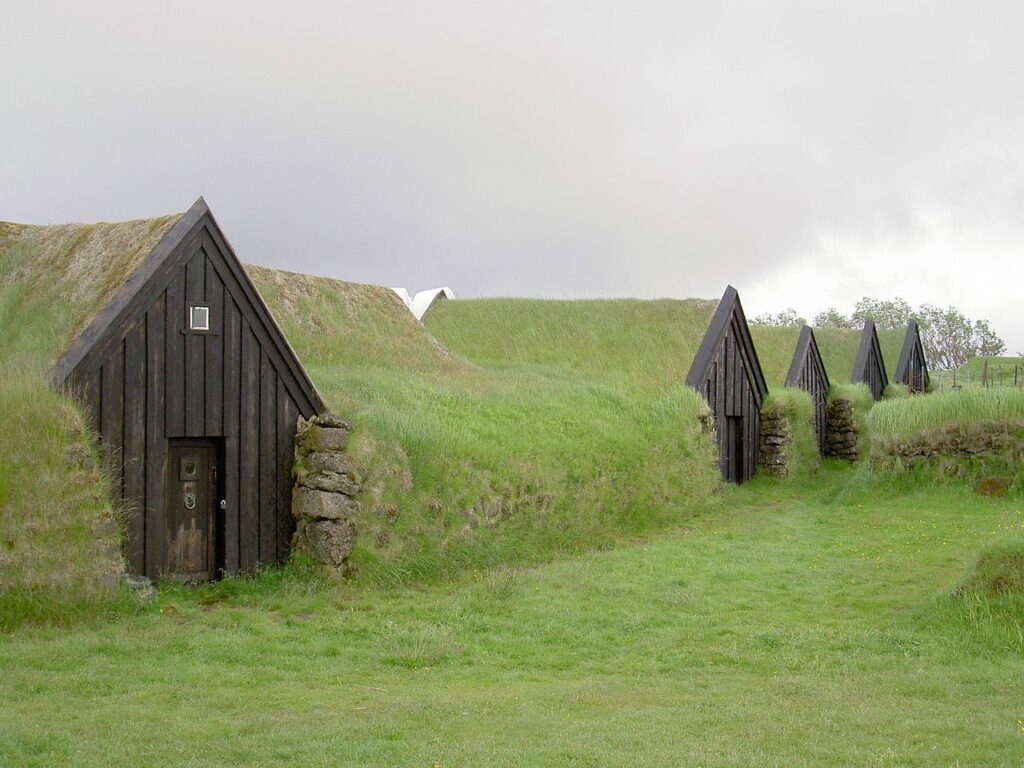
Architecture that interacts with and integrates into its bioregion is able to share resources and energy in a circular manner. Buildings can express circularity in several ways. Structures made of biodegradable materials can decompose into the soil at the end of their life. Biological materials are also capable of filtering the air in the atmosphere and generating energy for the building and the surrounding area to use. Urban farms are another valuable intervention that contributes to the community, forming a circular loop of resource production and consumption.
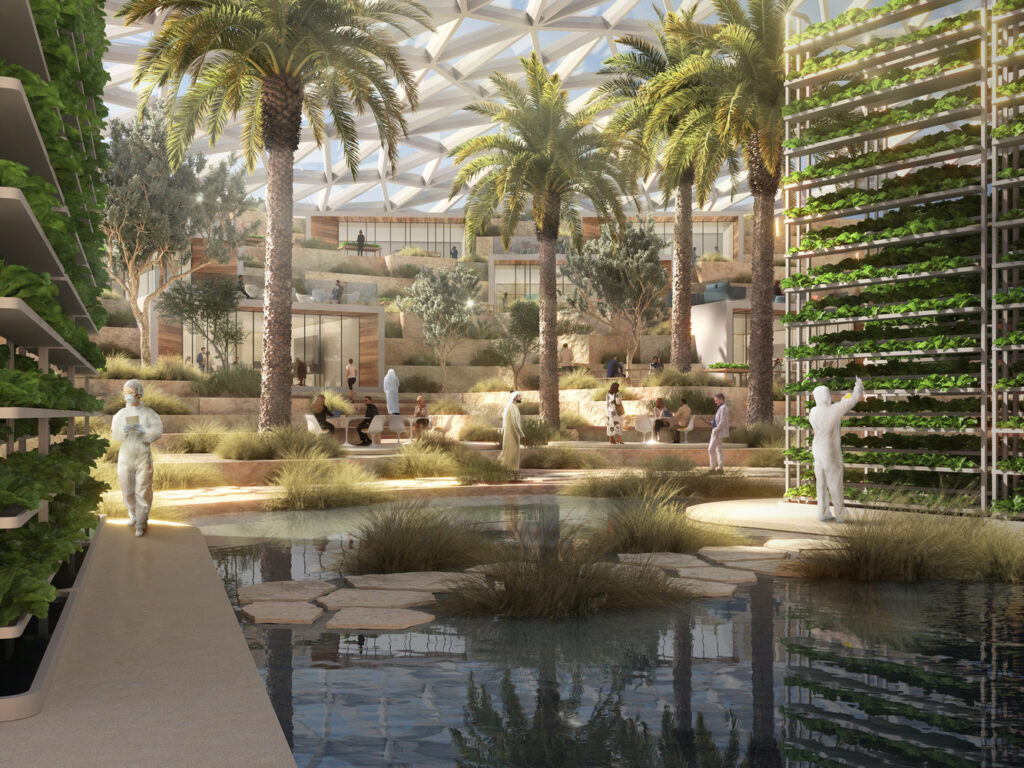
Bioregionalism in architecture and urban design calls for a deeply considered approach to indigenous techniques that reaches beyond political boundaries. Rather than reproducing traditional building forms across an entire country, examples drawn from comparable bioregions can form prototypes better matched to the geographical characteristics of the area.
Source: Circular Economy: Designing for Bioregions